Running for Franklin Township Committee
Greg Smith and Dave Marshall
OCTOBER 7, 2026 FUNDRAISER. Come on out to our last fundraiser at the White Oaks Country Club 7:00 pm. Special guests State Senator Mike Testa, 1210 Radio Host Matt Rooney, Author Glenn Fallavollita and Sinatra/Martin tribute singer Lou Dottoli. Help us get across the FINISH line in November. Below you will find a link to purchase TICKETS electronically. If you want to purchase another way or in person at the door please reach out to either candidate. TO PURCHASE HERE (CLICK ON THE ORANGE BUTTON BELOW).
DONATE HERE (CLICK ON THE ORANGE BUTTON BELOW). Greg and Dave strive to keep their campaign as fiscally responsible as possible. Your support means the world to us. That being said we could always use your contributions. Below you will find a link to donate electronically. If you want to donate another way or in person please reach out to either candidate.
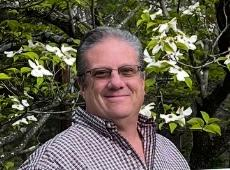
ABOUT DAVE MARSHALL
I’ve been a resident of Franklin Township for 50+ years, and my family has roots in this township dating back to the 1800s. I am deeply committed to the continued prosperity and quality of life in our community.
I believe my background in Business Management will allow me to contribute
immediately to the committee’s goals. Specifically, I bring experience in Business
management/oversight, volunteer management, customer and employee service skills, as well as team building skills.
I have watched our town change and grow over the years. I attended elementary school from Kindergarten through sixth grade in Franklinville Little School (now the community center) and then in Caroline Reutter School. I next attended Delsea High School from seventh grade through twelfth grade.
I have competed in both Baseball and soccer at the township level. I also competed in Wrestling and Soccer (which was a milestone as it was the first soccer team that Delsea had) through my high school years.
- My employment and volunteer work include:
1. Sat on the board of Trustees for Franklinville United Methodist Church for 4 years
2. Team leader for Senior Youth and Franklinville United Methodist Church for 3 years.
3. Graduated from both PTS and ATI schools for Business Management
4. Firefighter at station 43-1 for 2 years
5. Sat on a National Automotive board for 4 years (this was a two year term- due to my service they asked if I could stay on for another two years)
6. Taught both Service Writer classes and Customer service classes for two years
7. Sat on two local automotive boards for 4 years
8. Worked at my current place of Employment for 37 years, serving as manager for the last 30 years.
9. Coached 2 teams in Franklin Township Soccer for 8 years as well as equipment manager for intramural soccer.
10. Sat on the board for the (JDRF) Juvenile Diabetes Foundation and helped host multiple walks over 8 years at Parvins State Park, Camden Riversharks Stadium and Camden County College to raise awareness.
11. Organized a JDRF walk for two years through Delsea Middle School that we hosted on the Delsea Track, this was with various teachers and the students. It was such a great experience to show the students what it is like to support such a great cause.
Notably, over the last three years I have attended almost every Township Committee meeting, most of the Planning and Zoning Board meetings, and most of the Environmental and Economic Development meetings. I have been out in the community most of my life and especially the last three years talking with our great residents, forming a relationship with them and talking to them about their
concerns.

ABOUT GREG SMITH
I have been a resident of Franklin Township since 2014 and I really appreciate the rural aesthetics of Franklin Township. My goal is simple, keep the town rural and grow slowly with no AI data centers , warehouses , or large developments. I am about supporting small businesses and local farmers. I believe in balancing the budget and prevent tax dollars being wasted. I would also like to look into different ways of managing tax revenue and understanding better where the money goes.
I am a local small business owner with 4 kids and an amazing wife. We have a farm with several horses and hay farm which is what I think of when i think of our town. I also volunteer as a soccer coach and have been on the Franklin Twp school board since 2023. Within the school board I am also part of the negotiations committee.
I am eager and hopeful for our town to remain a great rural community with slow growth, many farms, and terrific police. If I am considered, I will serve the community to the best of my ability and respect, help , and listen to residents. I would look for solutions to help the residents within the limits of what our community stands for.
ITS TIME FOR A POSITIVE CHANGE
WE WILL WORK DILIGENTLY FOR FRANKLIN TOWNSHIP
1. STOP RUNAWAY TAX INCREASES AND IRRESPONSIBLE GOVERNMENT SPENDING WITH BETTER COMMUNITY PLANNING AND MANAGEMENT.
2. MAINTAIN OUR RURAL CHARACTER BY FIGHTING THE PLANS IN PLACE RELATED TO AFFORDABLE HOUSING AND RESISTING OVER DEVELOPMENT.
3. ENSURE RESPECT, TRANSPARENCY AND OPEN PUBLIC COMMENTS IN ALL MEETINGS FOR RESIDENTS.
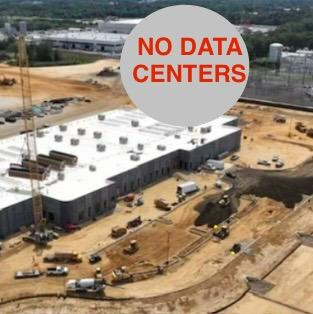
4. ADOPT A MASTER PLAN WITH NO AI DATA CENTERS, WAREHOUSES OR MORE CANNABIS FACILITIES.
5. RESTORE COMMUNITY VOLUNTEER PARTICIPATION ON ALL COMMITTEES, ENSURING ALL INTERESTS ARE REPRESENTED. AS WELL ESTABLISH TERM LIMITS TO OPEN UP OPPORTUNITIES FOR MORE RESIDENTS.
6. SIMPLIFY AND STREAMLINE PERMITTING PROCESSES FOR RESIDENTS.
7. FOCUS ON BUSINESS DEVELOPMENT TO REVITALIZE OUR HIGHWAYS AND CORRIDORS. WORKING TO CLEAN UP UNKEPT BUSINESS PROPERTIES. AS WELL AS WORK TO CLEAN UP THE ABANDONED AND DECREPIT BUSINESSES.
8. SUPPORT OUR POLICE AND ALL FIRST RESPONDERS.

Keeping Franklin Township Rural
We the people of Franklin Township love living in a rural community. It is our identity, and a key reason why people chose to live here.
At one time, our elected officials cared about keeping Franklin Township rural and actually enacted measures that sought to keep us that way, but that is no more. Now, high density housing is being forced upon us, township owned land is routinely auctioned off to developers, pristine forests are called "areas in need of redevelopment" and our farms are being targeted for over developed housing and warehouses.
We do not want Franklin to become another Deptford or Washington Township. We believe that being rural is an asset. It makes our community more affordable and improves everyone's quality of life.
Supporting our Farmers - Farmers are the backbone of our economy, and the reason Franklin township is rural. We know that if we want to preserve our rural way of life, we must support our farmers and make it easier for them to do their jobs. We will stand against development that threatens to pollute farmland and degrade water quality. We will also work to attract new farm related businesses and industries, so that farmers have all the tools they need to be successful.
Farmland Preservation - We are an advocate for the Farmland Preservation Program. Knowing that farms have a positive impact on our community and are worth the cost to preserve. We will work with state and county programs to ensure that even more farms and forests are preserved for future generations.
Our forests and wooded areas are vital to helping keep our town rural as well as providing cleaner air quality absorbing carbon dioxide and releasing oxygen. Trees help with stormwater water runoff helping to keep flooding prone areas protected.
Conservation Design -Franklin Township is a great place to live, and this fact will naturally attract new residents. As such, growth is inevitable, but this does not mean we must sacrifice our rural way of life. If planned properly, we can have growth and maintain the Franklin Township we all know and love. We are a proponent of Conservation Design principles that will allow for modest smart growth while preserving more farmland, forests and open space.
Open Space Preservation - Open space is a valuable asset. Our forests, fields and streams provide recreational opportunities, and protect our water quality. It is also cheaper to administer than developed land. For these reasons, We will stand against needless land sales of environmentally sensitive land that is owned by the township. We will also work to increase funding for open space preservation.
Property Taxes/Affordability
GREG SMITH AND DAVE MARSHALL ARE BOTH BLUE COLLAR WORKING CLASS MEN.
We know what it's like to struggle to make ends meet. That is why one of our primary goals is to make Franklin Township more affordable. Thanks to failed policies from Trenton, and the incompetent management of some of our local officials, our property taxes have gone up year after year. This is ridiculous, especially in a Republican controlled town! The fight of those struggling under the weight of higher property taxes is our fight. We will work to ensure you keep more of your hard-earned money.
OUR plan to lower your property taxes.
Keep Franklin rural-The most important thing we can do to make Franklin Township more affordable is keeping it rural. Overdevelopment will only lead to the need for expanded services, costly new infrastructure, and larger schools. Yes, new tax “ratables” bring in added revenue, but history shows it is never enough to cover the added expenses they create.
Stop gambling with the residents tax dollars-For too long, some of our Township Committee have played fast and loose with our money. They have sunk HUNDREDS of THOUSANDS of dollars into frivolous lawsuits that were completely unnecessary, and “Redevelopment Zones" that have never raised a penny of new property tax revenue. This wasteful spending must end!
Pooling services-Across the state, municipalities are finding real tax savings in sharing services. The “go it alone” approach is expensive and wasteful. We must form new partnerships when feasible with the county and neighboring communities so we can provide quality services at a reduced cost.
Encourage new smart business development that strengthens our economy-To raise revenue, and provide property tax relief to the residents, we must have a healthy business climate. To achieve this, We will work to bolster our existing "business districts" by encouraging new commercial development there. These hubs of industry, trade and retail will attract a diverse mix of businesses that will serve the resident's needs. Their success will foster economic growth that the whole township will benefit from.
Grants-There are hundreds (if not thousands) of State and Federal grant programs that will pay for the infrastructure upgrades and community services we so desperately need. The only thing our township has to do is apply for them. We will expand efforts to see that Franklin Township applies for and receives whatever grants we are entitled to.
HIGH DENSITY AFFORDABLE HOUSING
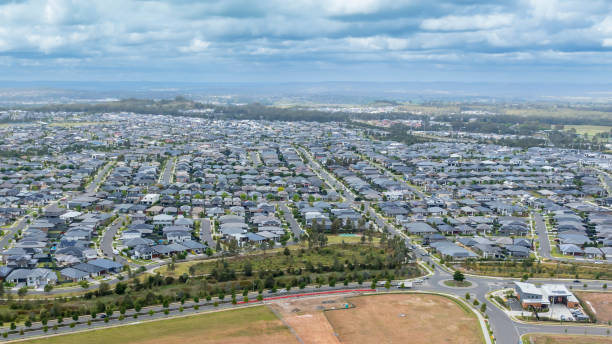
State mandated affordable housing has been a divisive issue ever since it was enacted in the 1970’s. WE ARE NOT AGAINST AFFORDABLE HOUSING, EVERYONE SHOULD HAVE THE OPPORTUNITY TO BE ABLE TO AFFORD A HOME, WE ARE AGAINST HIGH DENSITY MANDATED HOUSING. In the past, many municipalities did practice exclusionary zoning that sought to keep out low-income families. This was wrong. However, the solution to remedy this problem-state mandated affordable housing-has proven to be a logistical nightmare.
IT'S ANTI-CONSERVATION. Every town is required to have a “share” of affordable housing-even rural communities like Franklin. Every day, forests and farms are being paved over and turned into town homes and apartment complexes to meet the demands of extremist judges and bureaucrats in Trenton. We are quickly losing the Garden State. Everywhere you look in our town you see more flooded areas and forest dying. We cannot continue at this pace, we need to protect our township.
IT SHOWS FAVORTISM TO BUILDERS. Our government works hand in glove with private developers. For every 1 affordable housing unit constructed, our town allows a developer to build 3 additional market rate units. In this rigged system, the state wins because it gets affordable housing, the developer wins because they make a sizable profit, and the residents lose because they are left to bear the burden of overdevelopment.
IRONICALLY ITS UNAFFORDABLE. The fight against state mandated affordable housing in Franklin is not a fight against the poor and working class. In truth, it is a fight for the working-class families that already live here. Franklin is affordable because it is rural. If the state allows developers to build hundreds of new homes, we will have thousands of new residents who will require a major change in government services, increase in Emergency Services and infrastructure. PROPERTY TAXES will go up, and in some areas PROPERTY VALUES will GO DOWN. With all of this the people that will get hurt the most are the working class, elderly and poor.
DATA CENTERS AND MEGA WAREHOUSES
WHAT IS A DATA CENTER?
A data center is a warehouse type facility that houses computing infrastructure, including servers, storage devices, networking equipment, and other systems necessary for managing and storing data. It is used as a central hub for processing, transmitting, and safeguarding critical information for businesses, governments, and other organizations. According to Business Insider, there were 311 data centers in the United States in 2010. In January 2026, there were just over 3,900 data centers across the United States.1
WHAT TYPES OF DATA CENTERS ARE THERE?
-
Enterprise Data Centers: These are privately owned and operated by organizations to support their internal IT systems and applications. They are often located on company premises and provide complete control over infrastructure and security. While offering a high degree of customization, enterprise data centers require significant capital investment and maintenance.
-
Co-location Data Centers: A co-location data center allows businesses to rent space, power, cooling, and connectivity while hosting their equipment. This shared model reduces operational costs. It is ideal for businesses that don’t want to manage physical infrastructure but need some control over their servers and storage.
-
Cloud Data Centers: Operated by cloud service providers like AWS, Google Cloud, and Microsoft Azure, these data centers deliver scalable resources on demand. They are virtualized environments where businesses can store, process, and access data without managing hardware. Cloud data centers enable flexibility and rapid deployment but may involve ongoing subscription costs.
-
Edge Data Centers: These are smaller facilities located closer to end -users to reduce latency and improve performance. They support applications requiring real-time processing, such as IoT devices, 5G networks, and autonomous vehicles.
-
Hyperscale Data Centers: Built for massive scalability, hyperscale data centers cater to the needs of large tech companies like Facebook and Amazon. They use highly efficient architecture to handle enormous workloads. 2
WHY ARE DATA CENTERS SUCH A PROBLEM?
1. Data centers require a huge amount of water to keep their servers cool. A Mid-sized data center can use up to 300,000 gallons of water a day, while large facilities can consume as much as 5 million gallons daily. Our township that gets its water from underground aquafers cannot handle this kind of usage. Towns across the country that are near data centers report water pressure dropping off in their homes, wells running dry and some are reporting contaminated drinking water.
2. Data centers are extremely electricity hungry. A single modern AI data center can use as much power as 100,000 homes, many of the larger ones now being built are expected to consume up to 20 times that amount. This cause heavy strains on the electrical grid in surrounding areas as well as reports of electric bills going up as the towns these are built in get hit with some of the extra costs through their electrical suppliers.
3. Data centers are known for being very noisy. This noise can last for hours or days at a time, with some reports of the noise being present 24 hours a day 7 days a week. Residents around the country have reported disruptions in sleep, headaches and even lower quality of life because of a nearby data center.
WHAT IS A WAREHOUSE?
In short warehouses are facilities used for manufacturing or storing goods for a certain period of time between production and consumption. The main types of warehouses include public warehouses, private warehouses, bonded warehouses, government warehouses, distribution warehouses, cold storage warehouses, and fulfillment warehouses.
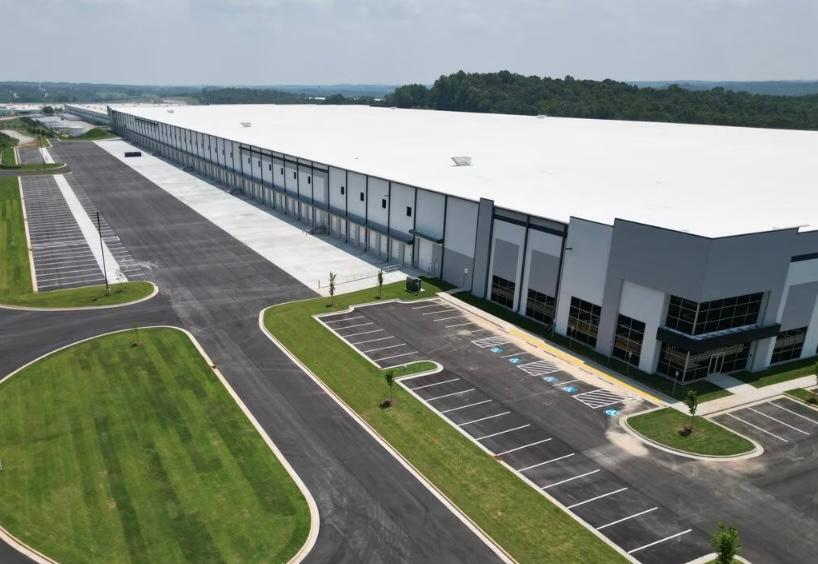
It is reported that 1 in 3 New Jersey residents now lives within a half-mile of a warehouse. 44% of these warehouses are between 50,000 and 100,000 square feet and 56% exceed 100,000 square feet. With many of these warehouses being classified as a mega-warehouse (over 200,000 square feet, and some of those being in the 1,000,000 to 3,000,000 square feet size). This brings about some major issues that the local residents have to deal with during the construction and day to day operations of these facilities. Some of the issues that the residents are facing is elevated exposure to freight truck pollution, increased truck traffic, challenges for fire fighters due to the sheer size and design, increased pollution, and with some areas reporting flooding due to impervious land coverage and forest removal.3
These are types of business that do not bring inherent benefits to the surrounding communities.
GREG AND DAVE ARE FOCUSED ON BRINGING ABOUT POLICYS THAT WILL STOP DATA CENTERS AND WAREHOUSES FROM DESTROYING OUR COUNTRY WAY OF LIFE.
1 Total U.S. data center count as of Jan. 21, 2026. This count includes operational, planned, land banked, and under construction data centers. Source: Datacentermap.com
2. Sourced From Quest Technology Management.
3. According to a new report released by Environmental Defense Fund and the Coalition for Healthy Ports NY/NJ.
Create Your Own Website With Webador